Cargo Lift Technical Guide: Specs, Purchasing & Installation
A complete technical guide to cargo lifts. Compare drive systems, understand what installation includes, and learn how to vet suppliers.
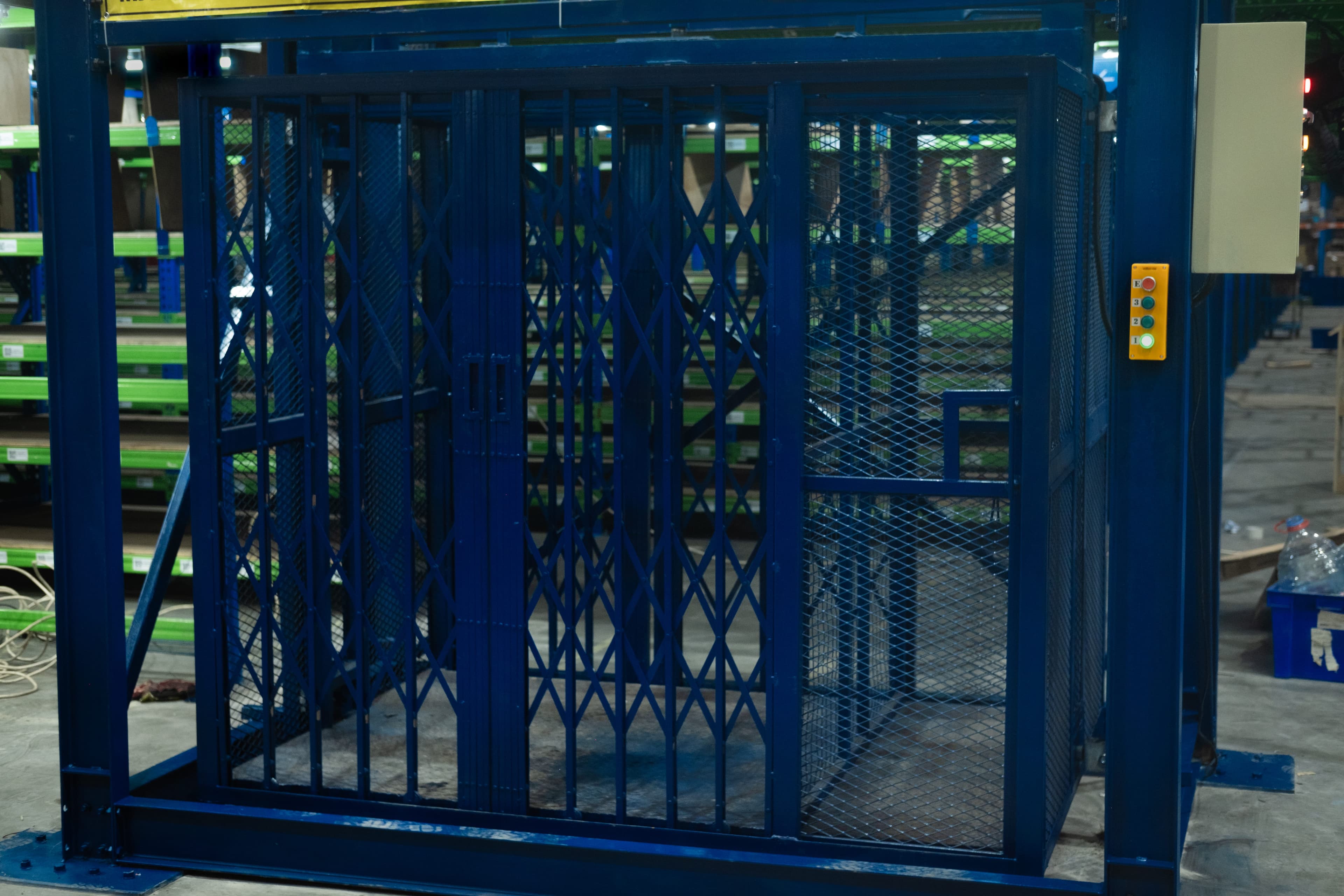
1. Drive Systems: Chain Hoist vs. Hydraulic
Selecting the right drive system dictates the performance, maintenance, and initial cost of your cargo lift.
Chain Hoist: Uses an electric motor and steel chains. Ideal for shophouses, logistics warehouses, and general factories. It is generally more economical for standard loads. Maintenance focuses on chain lubrication, brake pads, and motor health.
Hydraulic: Uses an oil fluid pump and cylinders. Ideal for warehouses and heavy industrial facilities moving massive tonnage. Selection depends heavily on available installation space. Maintenance focuses on oil replacement, seal checks, and pump performance.
Neither system is universally superior. The right choice depends on travel height, daily usage intensity, available space, and safety requirements.
2. What is Included in Fabrication and Installation?
A comprehensive cargo lift quotation generally covers the following physical and operational components:
Structure and Guide Rails: The main steel frame supporting the load and directing vertical cabin movement.
Cabin/Platform: The cargo area, sized to your operational goods.
Motor and Drive: The core machinery lifting the load.
Control Panel: The electrical brain managing floor travel and button commands.
Doors and Safeties: Floor access gates and protective sensors to prevent accidents.
Installation: Mechanical assembly and electrical wiring on-site.
Testing and Commissioning: Load performance and safety function testing prior to handover.
Note: Excluded costs typically involve civil works (floor hacking, pit digging), primary electrical supply upgrades (PLN), and official operating permits (SILO).
3. Are Cargo Lifts Suitable for Shophouses (Rukos) and Warehouses?
Yes. A cargo lift is the most logical investment to secure goods transit and cut manual labor costs.
For Shophouses (Rukos): Converts abandoned upper floors into highly functional storage areas without exhausting staff on the stairs.
For Warehouses: Connects ground floors to mezzanine systems, eliminating the need to use forklifts for vertical tasks and optimizing aerial space.
4. How to Choose a Cargo Lift Supplier
Evaluate potential fabrication partners based on these indicators, not just the final price tag:
Suitability of proposed dimensions and capacity to your site.
Quality and thickness of structural steel and drive brand credibility.
Inclusion of mandatory safety devices (anti-fall, door sensors).
Fabrication experience and track record with difficult installations.
Warranty duration and availability of long-term maintenance and spare parts.
Procurement Tip: Compare the steel thickness, scope of civil works, and after-sales support across quotes, rather than solely looking at the final number.
5. GBU Custom Cargo Lift Solutions
PT Global Bumi Utama (GBU) provides end-to-end material handling infrastructure, including consultation, engineering design, fabrication, precision installation, and maintenance.
To get an accurate technical quote from GBU, prepare the following data: Target tonnage, total travel height/floor count, cargo dimensions, city location, and photos/layouts of the installation area. Visit globalbumiutama.com to consult with our engineering team.
Technical FAQ
Can people ride inside a cargo lift? No. Freight elevators are strictly for materials. Human transit in cargo lifts violates labor safety regulations.
Do cargo lifts require maintenance? Yes. Routine inspection and lubrication of cables, motors, rails, and safety sensors are mandatory to prevent operational downtime.